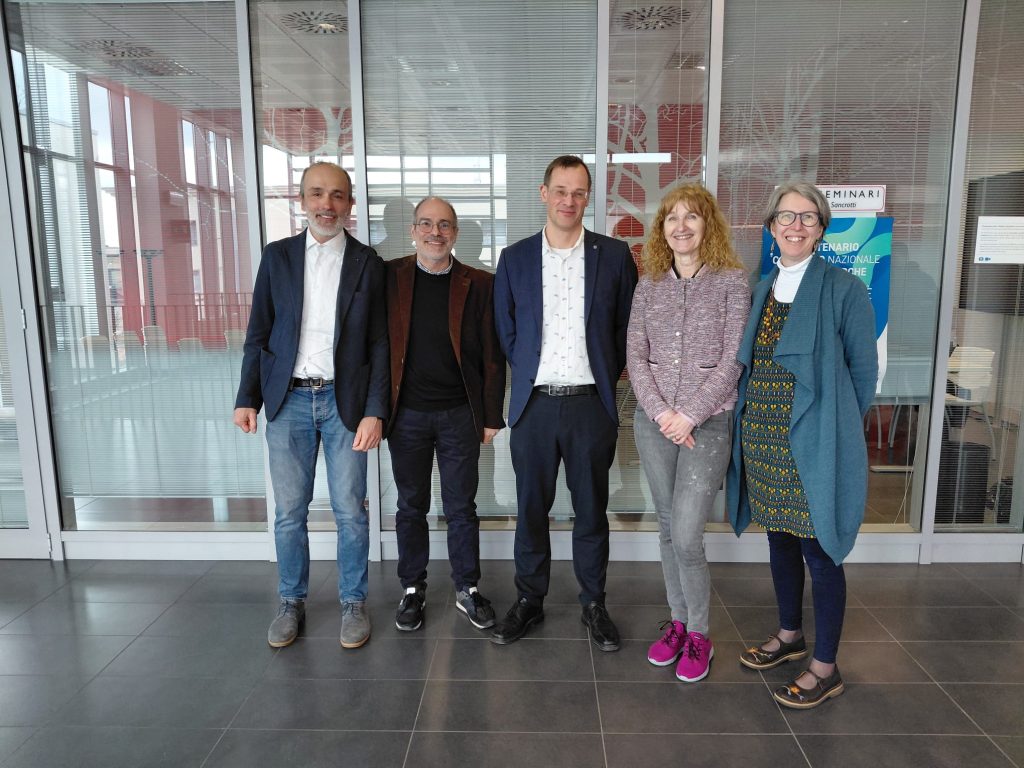
Trieste, March 27th 2026. Prof. Massimo Bellanda delivered a seminar at a scientific event on molecular biophysics hosted by the CNR – Istituto Italiano di Cristallografia, held at Area Science Park (Basovizza Campus, Trieste). His talk, entitled The ATP synthase domain OSCP: an old protein for new interactions. Insights through an integrated structural biology approach, highlighted recent advances in the study of protein interactions within the ATP synthase complex using complementary structural biology techniques. The event brought together international experts in NMR and structural biology.
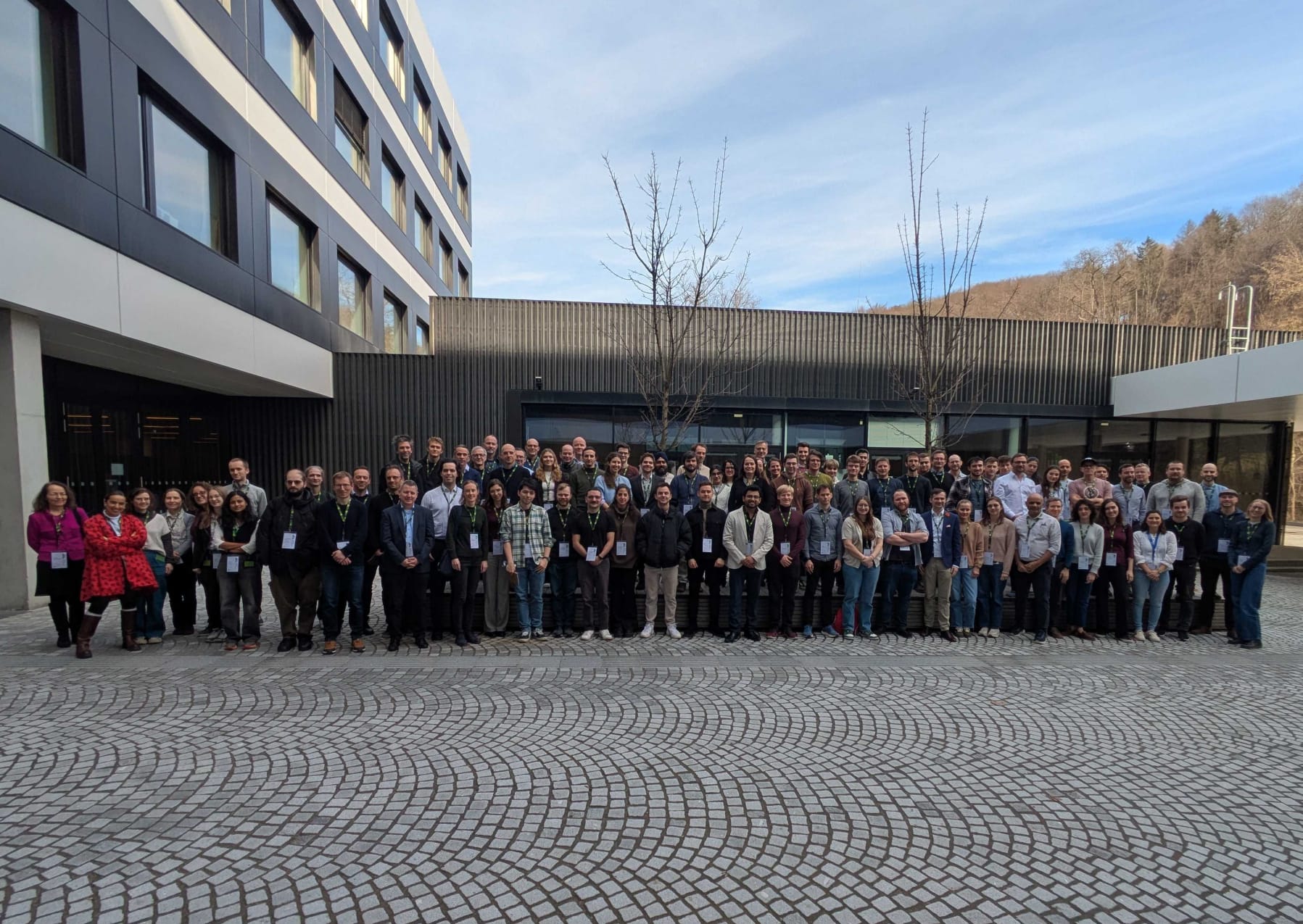
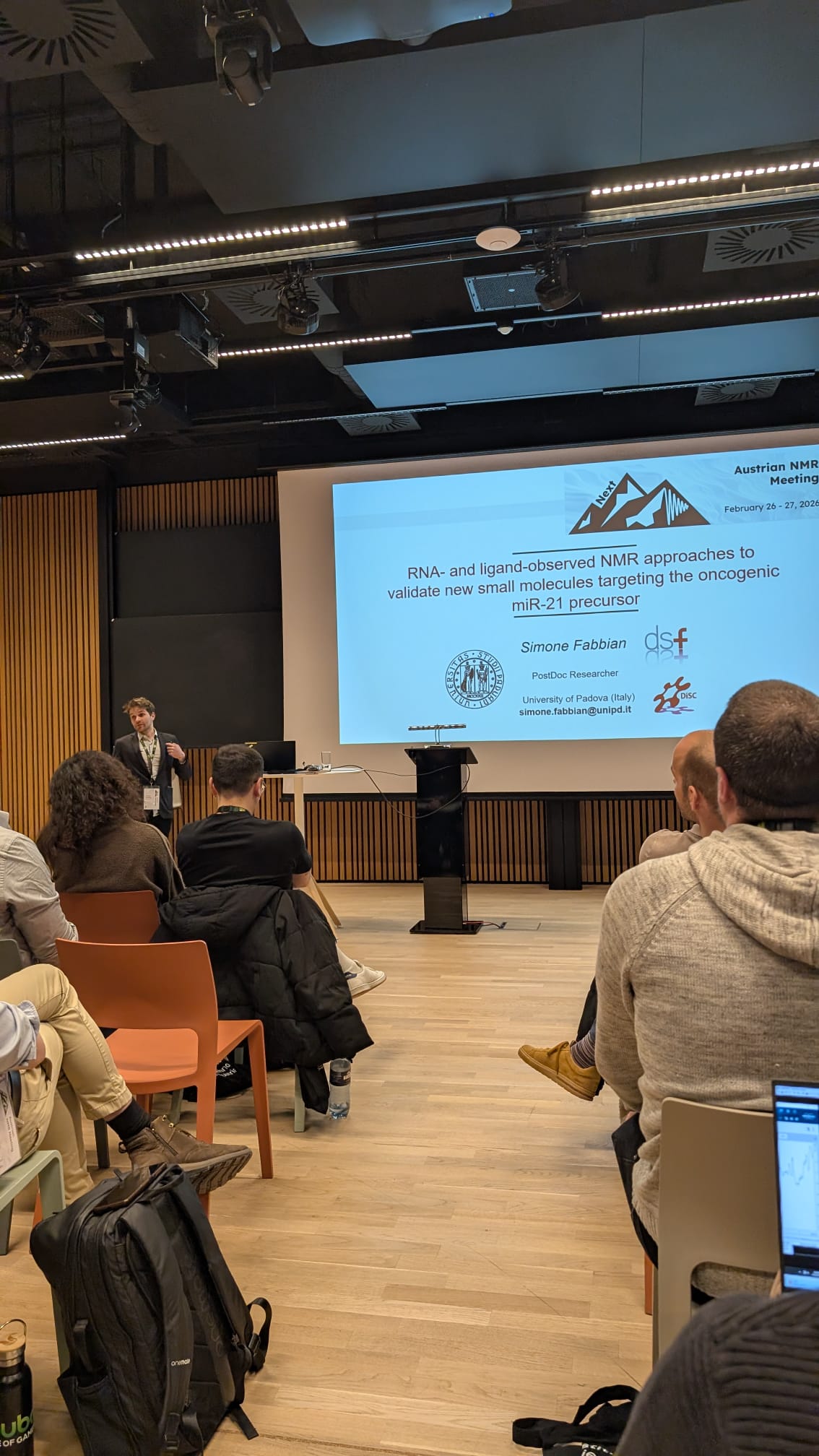
February 26-27. Simone Fabbian and Ludovica Macchia participated in the Austrian NMR Meeting, where they presented the results of their research to the Austrian NMR community. Simone delivered an oral presentation, while Ludovica presented her work during the poster session, contributing to the scientific discussions on current applications of NMR in biomolecular research and bringing the expertise of biomolecular NMR from Padua to the international stage.
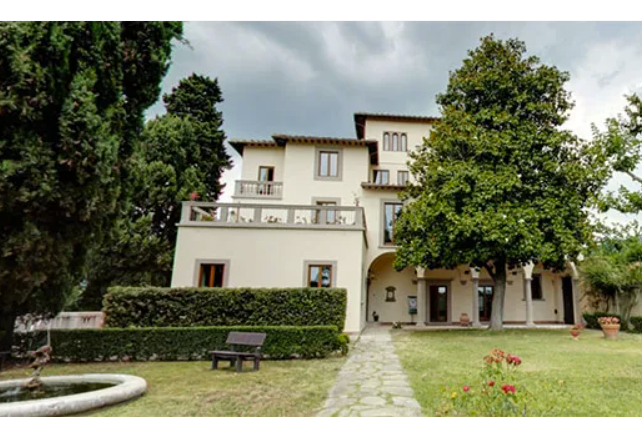
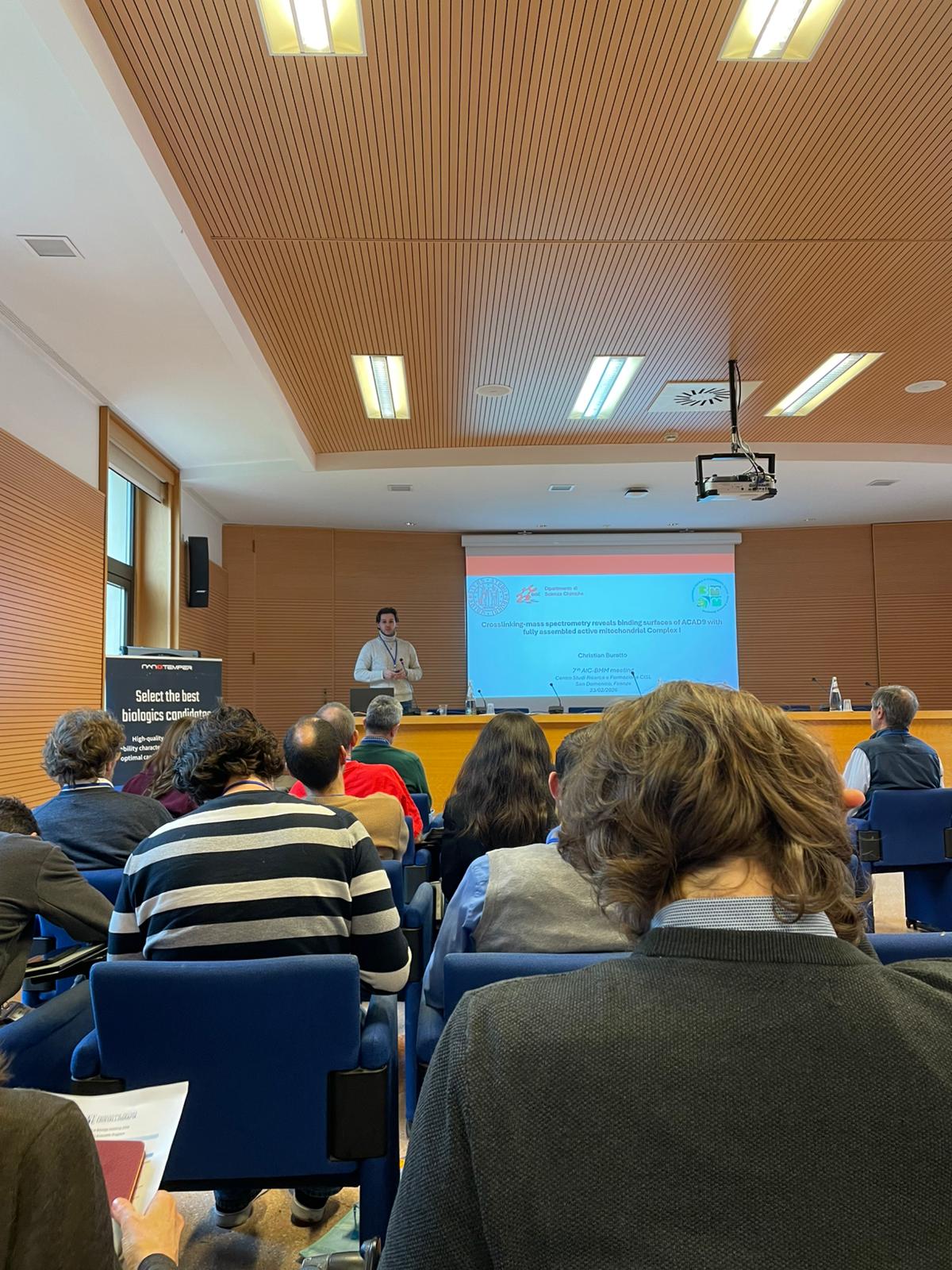
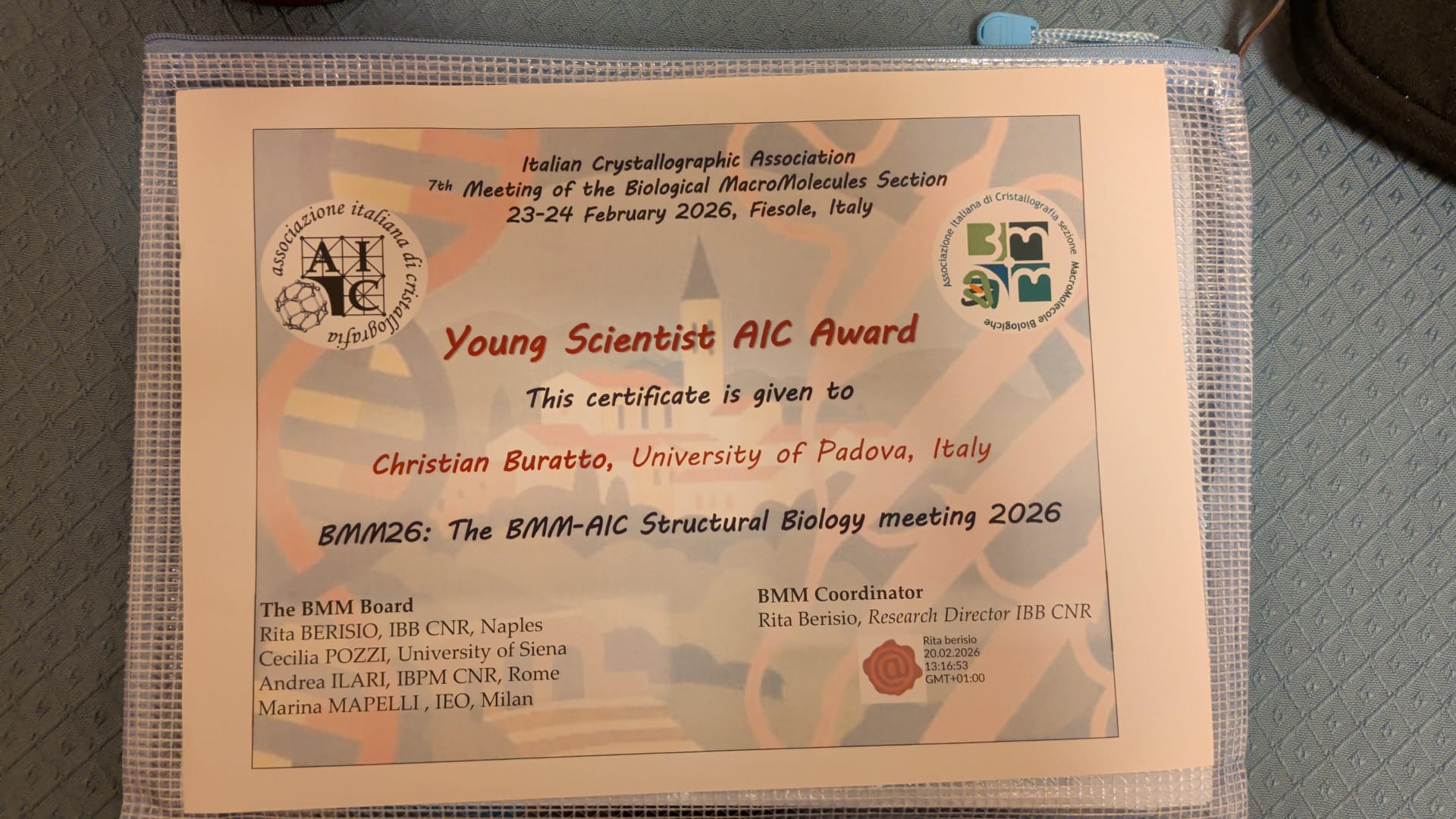
Christian Buratto awarded Young Scientist AIC Award at BMM 2026. Christian Buratto, second-year PhD student in the group of Gabriele Giachin, presented his research at the BMM26 – The BMM-AIC Structural Biology Meeting 2026, held on February 23–24, 2026, in Fiesole, Italy, under the auspices of the Italian Crystallographic Association (AIC). His talk, entitled “Crosslinking-mass spectrometry reveals binding surfaces of a mitochondrial enzyme with fully assembled active Complex I”, addressed the structural characterization of protein–protein interaction interfaces within the fully assembled respiratory Complex I, investigated through crosslinking mass spectrometry (XL-MS). On this occasion, Christian was awarded the Young Scientist AIC Award, in recognition of the scientific quality and significance of his contribution: congratulations!!
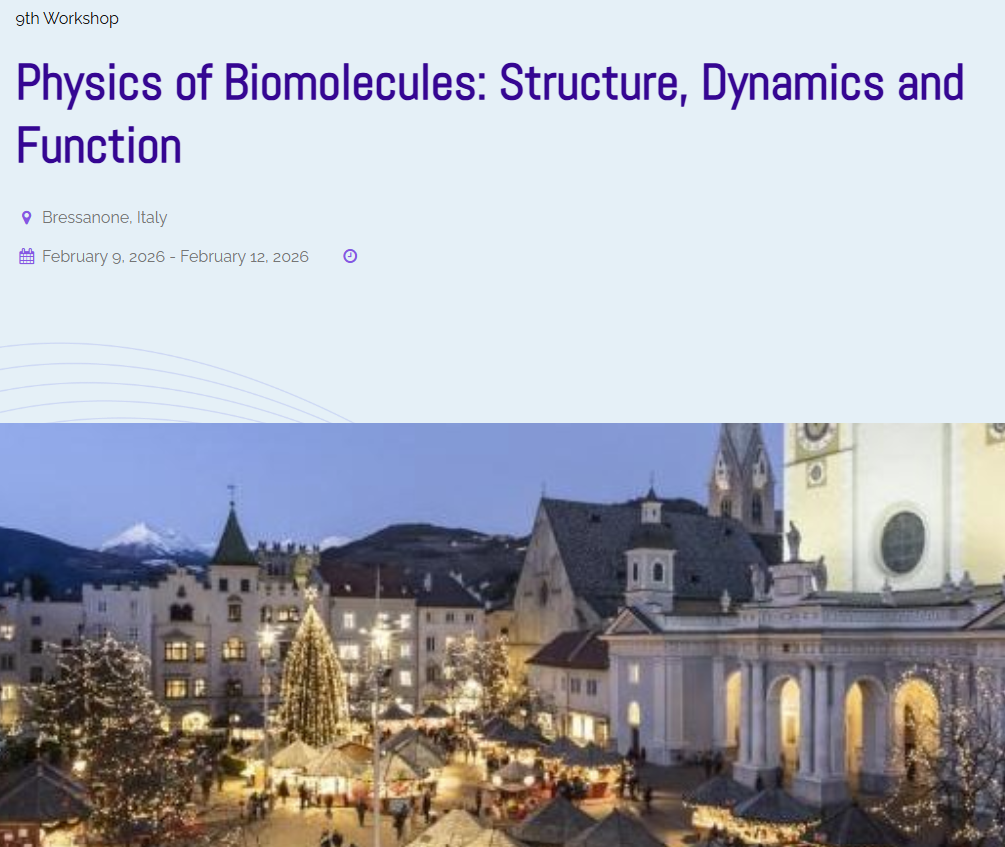
Prof. Roberto Battistutta presents our research at the 9th Workshop Physics of Biomolecules. Roberto presented our recent research findings at the Workshop Physics of Biomolecules held in Bressanone (Italy) from February 9 to February 12, 2026. His seminar, entitled “Dynamics and allostery from the crystal structure ensemble of SARS-CoV-2 Mpro”, highlighted insights into the dynamic and allosteric features of the SARS-CoV-2 main protease derived from the analysis of several crystallographic structures solved in our group.
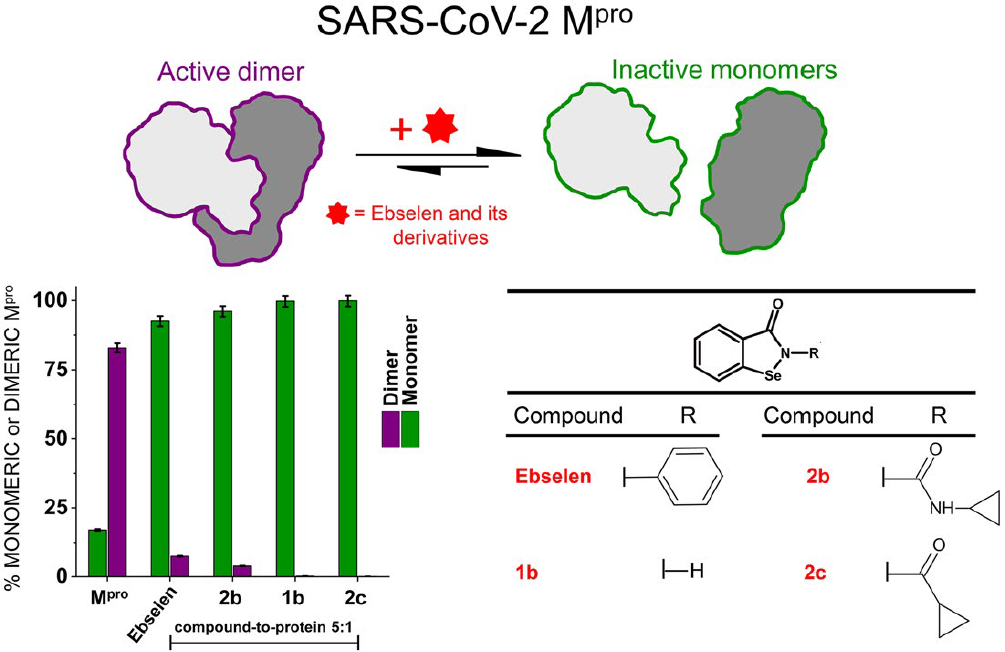
New Open Access publication! Our latest study reveals a non-canonical mechanism of SARS-CoV-2 Main Protease (Mpro) inhibition by Ebselen and organoselenium derivatives. Rather than acting solely at the catalytic site, these compounds disrupt Mpro dimerisation, shifting the enzyme toward an inactive monomeric state: a mechanism demonstrated by native mass spectrometry and enzymatic assays. Congratulations to Simone and all co-authors for this study bridging chemical biology, enzymology, mass spectrometry and antiviral research.